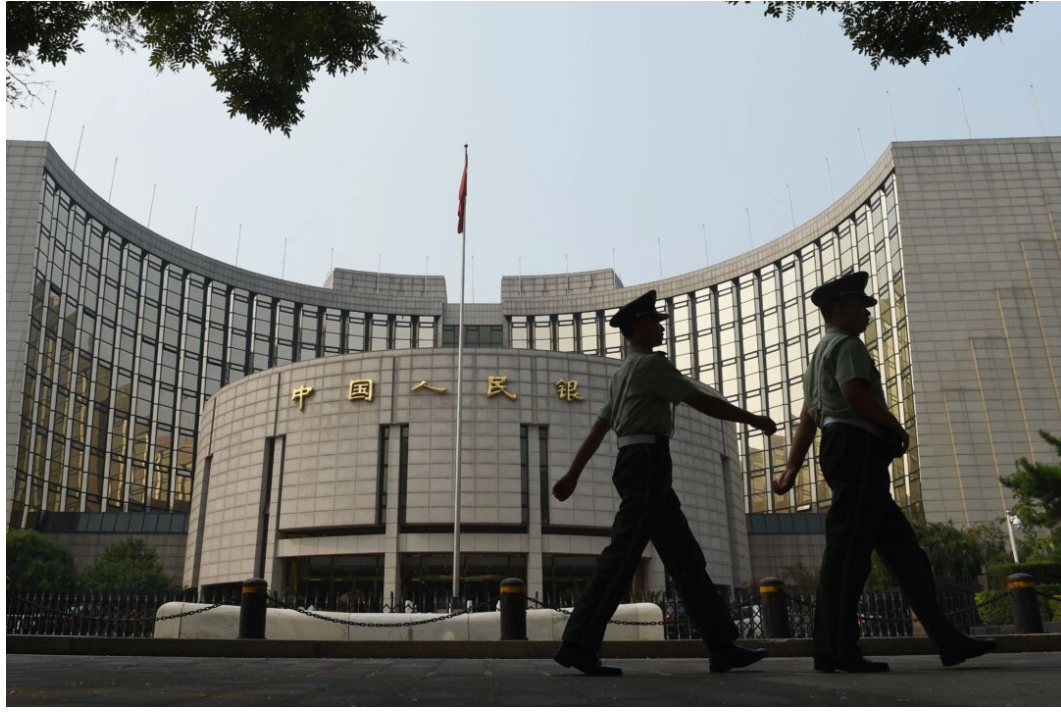
In the wake of a rapidly deteriorating domestic economy, the People’s Bank of China (PBoC), China’s central bank, has just announced a blizzard of monetary stimulus policies designed to fend off a potential financial crisis. Regulatory authorities are taking a raft of anything-but-ordinary-course emergency actions intended to ease the strain on the nation’s banks and other lenders, as well as on a beleaguered consumer, and to revive economic growth.
Among other things, the PBoC has reduced the costs of borrowing from the central bank, making it easier for banks to access funds, and has injected the equivalent of tens of billions of dollars of liquidity into the financial system in an attempt to stabilize the markets. The PBoC has lowered the minimum regulatory reserve ratio for Chinese banks, effectively reducing the amount of capital banks are required to hold against their risk assets. The move is intended to increase market liquidity and make it easier for the banks to lend. It also eases the pressure on weaker banks that were under strain and at risk from dangerously low capital reserves.
Addressing Chinese consumers, the PBoC has lowered the rates on existing mortgages, and reduced the down payment required on second home purchases from 25 percent to 15 percent. Deposit rates will be lowered to protect the banks’ margins and induce the consumer to spend rather than save.
Facing a moribund stock market, the PBoC has also announced a facility that will allow securities brokerage firms and investment funds to access the central bank’s liquidity in order to buy stocks. This government intervention in support of stock market valuations is highly unusual and could reflect a sense of panic which may have set in amongst the government in Beijing.
The PBoC is fighting against a rising tide of deflationary pressure. The Chinese economy never fully recovered from the pandemic-induced shuttering of businesses in the domestic market in 2020. China adopted some of the world’s most stringent lockdown practices in the world, and its “Zero COVID” policy left many of those restrictions in place through 2022. Productivity declined, and economic growth stagnated. For some, years of training and education were lost. At the same time, the government changed course and announced a reining in of perceived capitalistic excesses in the markets, along with a return to its socialist roots. With this came greater intervention in the economy, and produced a chilling effect on financial markets and the broader economy. U.S. and other foreign investors in China began to unwind their positions and reduce exposure to Chinese equity markets, a trend which has continued through this year. The price of an index of Chinese stocks has fallen more than 22 percent in the past three years, i.e., during a period of strong stock market performance in the U.S. and Europe.
In 2024, growth in national income is slowing, and is likely to fall below the nation’s target of five percent for the year. Youth unemployment is above 17 percent, an additional consequence of the Covid era. Housing price growth has turned negative, as excess inventories and depressed values plague homeowners and bank balance sheets alike. Export markets have slowed as the U.S. and other nations reconsider their trade policies with China. This places more pressure on the domestic economy, but economically insecure consumers are refusing to open their wallets and spend. Rumors of rising frustration and social unrest are circulating, raising the stakes for the ruling Chinese Communist Party. These leaders cannot afford to let the economy go off the rails, and appear to have pulled out all the stops to prevent it.
The recent policy actions by China’s central banks are a warning sign to the global economy. China remains the world’s most populous and second largest economy. The U.S. and Europe, each struggling with challenges of their own in their domestic weconomies, are not immune to knock-on effects from China. Economic growth in Europe in stagnant, with many economies already in recession. The U.S. economy is showing signs of weakness, generating enough concern for the Federal Reserve governors to motivate them to lower interest rates by 50 basis points. The last times the Fed reduced rates by such a large amount in one fell swoop were on the eves of the “dotcom” bubble (2000) and the Global Financial Crisis (2007).
The risks of a financial crisis in China extend beyond our economy and our financial markets, though those risks are grave enough. Despite our challenges with China, it is not in the strategic interests of the U.S. for China to fall into economic depression and political instability. These conditions would render a nation that has become our primary global competitor, if not adversary, more dangerous, not less.