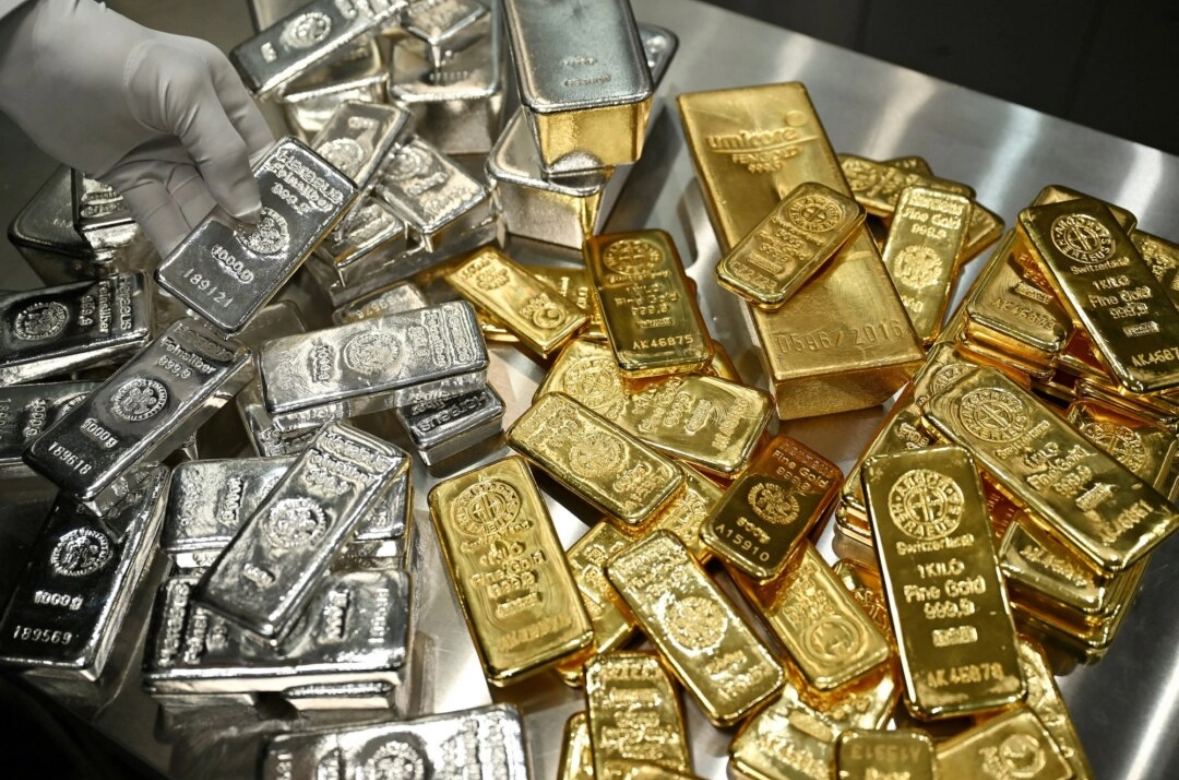
2025 was an extraordinary year for precious metals. Gold, silver and platinum each outperformed other asset classes, including equities, Bitcoin (2024’s best performer) and even indexes tracking artificial intelligence (“AI”), one of 2025’s favorite investment themes.
Silver and platinum are each up by approximately 170 percent in 2025, while gold traced a highly respectable 73 percent return. Among AI stocks, only Palantir outperformed gold.
Why such stellar performance by what was only a few years ago derided by governments as a “barbarous relic” and shunned by investors as an unattractive investment? The reason I wrote at the beginning of last year that we should “expect gold to shine in 2025” was that global conditions have fundamentally changed, perhaps irreversibly. I mentioned then that the main factors driving the gold price included shifting geopolitics driving central bank stockpiling, investor concerns about both the creditworthiness of the U.S. government (and thus the dollar) and persistent inflation which is eroding purchasing power of paper currencies, and supply-demand imbalances.
These forces are unlikely to abate in 2026, and as a result, we should expect precious metals, including gold, silver, and platinum to continue to perform well in the coming year. Indeed, deglobalization and the continued push towards resource nationalism and protection of critical materials adds additional support to not just these metals but the entire commodities complex.
In recent years, central banks around the world have reduced their buying of U.S. Treasury securities—previously their largest reserve asset—and have been stockpiling gold instead. China, Russia, and India have all been big buyers of gold in recent years, as have many smaller independent nations keen on staying out of the crosshairs of U.S.-China conflict. Watching how the U.S. imposed financial sanctions on Russia following the invasion of Ukraine in 2022, many countries have concluded that dollar-dominated financial system dependence is too risky. They fear that the U.S. government could use the dollar system as a weapon against them, whether via financial sanctions or trade policy, and they don’t want to depend on it. Diversifying out of treasuries into gold and other metals provides a hedge. Creating alternative currencies backed in part by gold reserves, such as the BRIC nations are now developing, is a primary example of derisking U.S. dollar dependence.
Aside from geopolitics, foreign central banks are concerned about the deteriorating credit condition of the U.S., which has been downgraded by all three ratings agencies. The federal government is sitting on $38 trillion of debt—growing by trillions each year—that can’t be repaid except by issuing more debt. Deeply indebted governments have no practical choice but to let inflation run as a way to reduce the cost of debt service and repayment. The U.S. can’t default on its debt given that the dollar is the global reserve currency, and taxation has its political limits. So, inflation serves as a hidden tax slowly but surely undermining the currency and household wealth.
A new generation of Americans have experienced first-hand how inflation hurts purchasing power. The dollar has lost over twenty percent of its real value since 2020 and forty percent since the year 2000. The peril of inflation is an old lesson. Last learned in the 1970s, it had since been forgotten after decades of relative price stability. The lesson is widely applicable to people around the world who are losing faith in government-issued money, paper IOUs that lose value every year due to inflation. Gold and silver, long seen as inflation hedges, are once again playing their traditional role as stores of value in uncertain geopolitical, monetary, and economic times.
Retail investors have been a part of this story, buying both gold-backed paper and physical bullion. Tons of metal held by U.S.-based publicly listed gold ETFs increased by 160 percent in the third quarter of 2025 alone. In the first half of 2025, 95 million ounces of silver flowed into silver-backed funds globally, a greater amount that all of 2024. Costco and other retailers now offer gold and silver coins to a widening base of households who never before considered the need for anything other than the dollar in their pockets or savings accounts.
The gold supply is constrained by high production costs and limited new mine development. Both silver and platinum have, for different reasons, been in a multi-year period of supply shortage. This imbalance is unlikely to abate any time soon, except as the result of a global recession. With the U.S. and many nations now designating these metals as strategic resources, the press is on for new domestic sources—a multi-year process—and stockpiling reserves in the meantime.
I don’t expect the metals rally to end any time soon, because the conditions driving it have not changed. While future prices increases may not be as dramatic as they were in 2025, these commodities should continue to advance. Assuming additional interest rate cuts from the Federal Reserve and other western central banks, and that governments are unable to get their deficits and growing debt piles under control, concerns about the inflationary effects of stimulative monetary and fiscal policy will continue to support gold, silver, platinum, and other commodities and real assets that hold their value against fiat (government-issued paper) currencies.