Energy prices are falling, but perhaps for the wrong reasons
U.S. inflation cooled in February, with the Consumer Price Index (CPI) rising less than expected at 2.8 percent. Excluding food and energy, Core CPI rose by 3.1 percent, as services costs such as shelter and transportation continued to grow at mid-single digits. What kept CPI growth muted was the ongoing fall in energy prices around the world.
Just as rising energy prices—fueled by the supply shock of the war in Ukraine—drove inflation in 2022, the fall in energy prices has been the biggest driver of the decline in overall inflation in recent months. Specifically, the gasoline component of CPI fell by 3.1 percent in February, while the fuel oil index fell by 5.1 percent. This decline reflects a longer term trend.
Since inflation’s peak in June 2022, the price of oil has fallen by nearly 45 percent (from $102 to $66 per barrel). At the same time, the national average U.S. retail price for gas has fallen by over 37 percent, from over $5.10 per gallon in June 2022 to $3.20 today. Still, when President Trump was previously in office, gas prices were a third less, averaging around $2.25.
Rising oil prices can result from increased demand or decreased supply. If prices move too high or too fast, they can lead to slowing economic activity, and they can also be a driver of future inflation. Since oil is an input into every other part of the modern economy, when oil prices rise too far too fast other producer and consumer prices follow suit, and demand falls.
Falling oil prices can be a boon to economic activity by increasing demand, and help lower overall inflation. But rapidly falling or too low of prices can also signal soft demand, economic weakness, and potential recession. Oil prices have already fallen from over $75 a barrel in mid-January to $66.50 today, a big move for just two months. While lower prices are beneficial to the economy, they may also be a warning signal about the health of U.S. economy. One investment bank just cut its 2025 forecast for oil prices by 11 percent. Citing soft forward indicators and economic uncertainties, the bank reduced its forecast for global demand growth by nearly 36 percent.
Adding to the economic uncertainty is confusion over where tariffs will land, and speculation of a potential trade war with China. Markets are concerned that the fiscal discipline being imposed by the Trump administration and the DOGE initiative may be recessionary, at least in the short term. The global market may also be anticipating increased U.S. supply coming online in coming months. Adding complexity to these fears is speculation that the administration will impose sanctions on Iran, one of the world’s largest producers of oil. This would be bullish for oil prices, but disruptive to global markets.
President Trump has committed to restore the U.S. oil and gas industries, which production was restrained by executive orders and regulatory red tape during the Biden administration. By reducing U.S. dependence on foreign sources of energy, the U.S. better protects its strategic interests. By increasing domestic production of fossil fuels, retail prices should continue to fall. So long as prices are falling because of increasing supply, rather than weakening demand, falling oil and gas prices are an economic blessing.
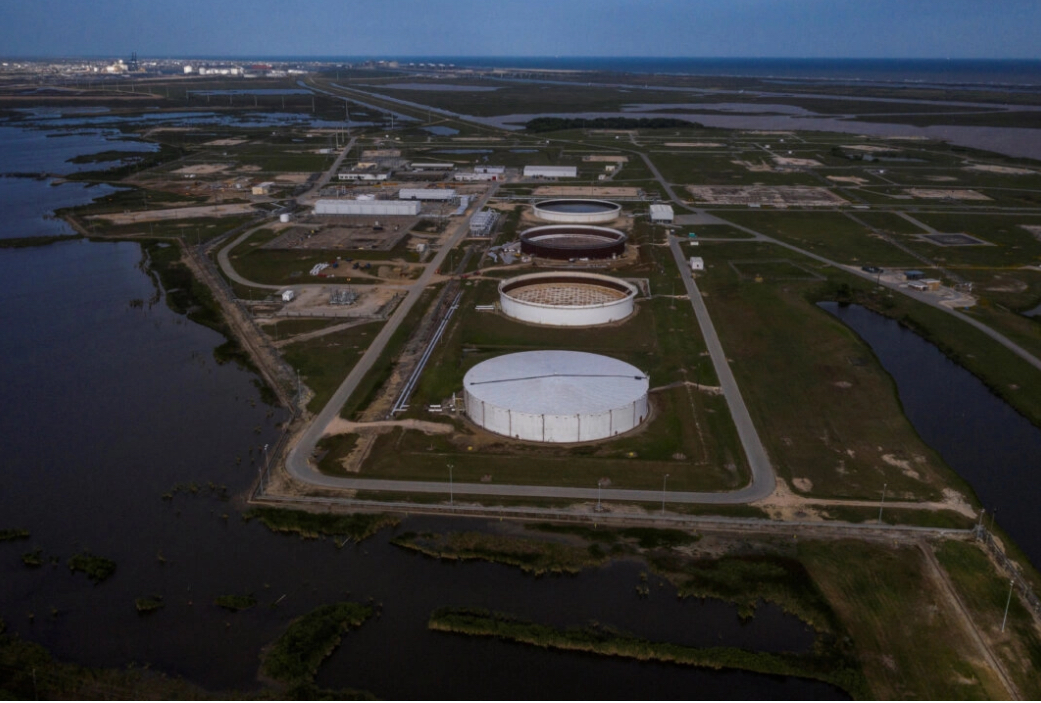
As prices fall, the Trump administration has opportunity to reverse some of the errors of the previous administration. For example, the U.S. Strategic Petroleum Reserve (SPR) can be refilled at lower prices. When President Trump left office in January 2021, the SPR held over 638 million barrels of oil, near its practical capacity. The Biden administration used the SPR, which is intended for national emergencies, to try to reduce gas prices at the pump in advance of the 2022 mid-term elections. The Biden administration sold off over 300 million barrels, nearly half of total. The political effort failed, and at the cost of our national security. By the time President Biden left office in January, the SPR remained below 400 million barrels. Trump has committed to replenish it, but will likely do so slowly and wait for prices to fall further.
Too high of oil prices are costly on the economy, but rapidly falling oil prices aren’t necessarily a positive signal. Like Goldilocks and the three bears, we need an economic porridge that is neither too hot nor too cold.